Mastering The Market: Essential Insights And Strategic Tips For Buying Commercial Property

Unlock the potential of your investment journey with a deep dive into the commercial property market. Whether you’re a seasoned investor or a newcomer eager to explore, understanding the dynamics of this market can unleash opportunities you never thought possible. Imagine the satisfaction of making informed decisions that not only secure your financial future but also contribute to a thriving business environment.
In today’s competitive landscape, knowledge is power. Equip yourself with strategic insights that can turn challenges into triumphs. From analyzing market trends to understanding legal intricacies and mastering financial planning, this guide will be your compass in navigating the commercial real estate sector. Let’s embark on this enlightening journey together and discover the secrets to building a robust property portfolio.
Understanding Commercial Property Market Dynamics
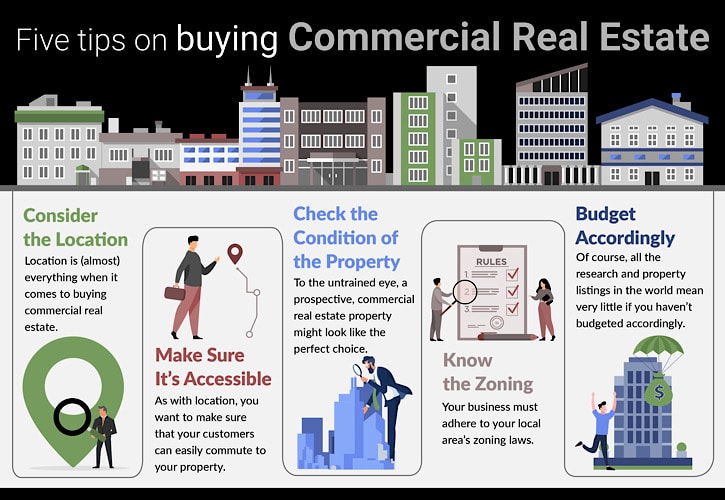
Diving into the world of commercial property investment requires a keen understanding of the market dynamics that drive its fluctuations. These dynamics are influenced by a complex interplay of factors that investors must consider to make informed decisions.
Commercial property markets are shaped by various economic, social, and environmental factors. Recognizing these elements is crucial for evaluating potential investments and identifying lucrative opportunities.
Key Factors Influencing Commercial Property Markets
Several factors significantly influence the commercial property markets, ranging from economic conditions to regulatory changes. Investors must stay abreast of these elements to strategically navigate the market landscape.
- Economic Growth: A thriving economy typically leads to increased demand for commercial spaces, driving up property values.
- Interest Rates: Fluctuations in interest rates can affect financing costs for acquiring or developing commercial properties.
- Regulatory Environment: Zoning laws and building codes can impact development and operational costs.
- Supply and Demand: The balance between available properties and the demand for them directly affects rental rates and sale prices.
Macroeconomic Indicators Affecting Property Investments
Understanding macroeconomic indicators is vital for predicting trends and making sound property investment choices. These indicators provide insights into broader economic conditions that can influence the commercial property sector.
- GDP Growth: Reflects overall economic health, influencing business expansions and the need for commercial space.
- Unemployment Rates: High unemployment may deter business growth, reducing demand for commercial properties.
- Inflation Rates: Rising inflation can increase construction costs, affecting property prices.
The Importance of Location in Commercial Property Valuation
Location remains a paramount factor in determining the value of commercial properties. A prime location can significantly enhance a property’s attractiveness and profitability.
“In real estate, the three most important factors are location, location, location.”
A property’s proximity to transportation hubs, business districts, and consumer demographics can elevate its market appeal and justify higher rental rates.
| Factor | Description | Impact Level | Examples |
|---|---|---|---|
| Economic Growth | Overall increase in national economic activity | High | GDP increase leads to higher property demand |
| Interest Rates | Cost of borrowing money for investments | Medium | Lower rates encourage more property investments |
| Regulatory Environment | Government policies affecting property use | Medium | Changes in zoning laws can impact property values |
| Location | Proximity to key infrastructure and markets | High | Properties near business hubs have higher demand |
Financial Planning and Investment Strategies
Diving into the world of commercial property investment requires a solid foundation in financial planning and strategic thinking. This ensures that every step taken aligns with your overarching investment goals.
Understanding the financial landscape of commercial properties can be complex, yet fascinating. From leveraging financial models to selecting the right financing options, each decision plays a crucial role in maximizing returns.
Financial Models in Commercial Property Investments
Utilizing financial models is essential for predicting the profitability and risk involved in commercial property investments. The Discounted Cash Flow (DCF) analysis is one of the more commonly used models, allowing investors to estimate the value of an investment based on its projected future cash flows. Meanwhile, the Capital Asset Pricing Model (CAPM) helps in understanding the expected return of an asset based on its inherent risk compared to the market.
Comparing Financing Options for Commercial Properties
When it comes to financing your commercial property purchase, options abound, each with its own advantages and drawbacks. Choosing the right one hinges on your financial goals and the specifics of the property in question.
| Financing Option | Pros | Cons | Best Use Case |
|---|---|---|---|
| Traditional Bank Loan | Lower interest rates, established lender | Strict lending criteria, longer approval process | Established investors with solid credit |
| Private Loan | Flexible terms, quicker access | Higher interest rates, less regulation | Investors needing quick financing |
| SBA Loan | Lower down payment, longer repayment terms | Lengthy application, detailed requirements | Small business owners expanding operations |
| Commercial Mortgage-Backed Securities (CMBS) | Diversified risk, non-recourse loans | More complex, higher closing costs | Investors seeking diversified portfolio |
Strategic Plan for Long-Term Investment in Commercial Properties
Developing a strategic investment plan is key to sustaining and growing your commercial property portfolio over time. Start with a thorough market analysis to identify emerging trends and potential growth areas. Diversification is vital; consider investing in various types of properties such as office spaces, retail units, and industrial facilities. Additionally, reinvest profits into property improvements, enhancing value and attracting premium tenants.
The cornerstone of successful commercial property investment lies in a well-informed strategy combined with adaptive financial planning.
Legal and Regulatory Considerations
Embarking on the journey of purchasing commercial property is like navigating a complex labyrinth filled with legal twists and regulatory turns. It’s an exciting endeavor that demands both caution and strategic insight.
Understanding the legal landscape is crucial to avoid pitfalls and ensure a smooth transaction. Below, we dive deep into key legal considerations that can impact your investment decision.
Key Legal Requirements for Buying Commercial Properties
Before stepping into the commercial real estate market, it’s essential to arm yourself with knowledge about the legal nuances involved. From ensuring the property title is clear to understanding your liabilities as a buyer, key legal requirements play a significant role in safeguarding your investment.
- Verify the integrity of the property title through a thorough title search.
- Understand the terms of the purchase agreement, especially any contingencies.
- Secure proper permits and approvals required by local authorities.
Insights on Zoning Laws and Their Impact on Commercial Real Estate
Imagine planning a lavish restaurant only to find out the property is zoned for residential use! Zoning laws dictate the permissible use of land, affecting everything from the type of business you can operate to the building’s design and layout. These laws can vary significantly between regions, so it’s vital to understand how they impact your specific commercial real estate plans.
- Check the current zoning classification of the property.
- Identify any potential rezoning opportunities or restrictions.
- Consider the impact of zoning on property value and future development potential.
Property Taxes and Compliance
Property taxes are a reality of owning commercial real estate, and understanding these taxes is crucial for your financial planning. These taxes can vary based on the property’s location, size, and use. Compliance with tax regulations ensures you avoid penalties and maintain a healthy financial outlook for your investment.
- Research the current tax rate for commercial properties in the area.
- Evaluate any available tax incentives or credits.
- Stay informed about changes in property tax laws that may affect your investment.
Due diligence is the cornerstone of successful property transactions, requiring meticulous attention to detail. Key steps include: reviewing financial records, conducting a thorough property inspection, verifying zoning compliance, and understanding environmental liabilities.
Analyzing Market Trends and Projections
In the dynamic world of commercial real estate, understanding and predicting market trends can be the difference between striking gold and missing out. Delving into historical data and future projections equips investors with the knowledge to make strategic decisions.
Analyzing market trends involves a thorough examination of past and present data to identify patterns and potential future movements. This predictive prowess enables investors to position themselves advantageously, capitalizing on emerging opportunities while mitigating risks.
Methods for Analyzing Historical Market Trends
To have a solid grasp of historical market trends, one must sift through data sets that span several years. This involves reviewing occupancy rates, rental price fluctuations, and economic indicators like employment rates and GDP growth. Utilizing advanced tools such as regression analysis, investors can map out significant trends that have shaped the market.
Furthermore, historical market analysis should not only rely on numerical data but also incorporate qualitative insights. Industry reports, expert commentaries, and even anecdotal evidence can provide a richer context to the numbers, painting a more comprehensive picture of market movements.
Insights into Future Projections
Future projections hinge heavily on economic forecasts and emerging socio-economic factors. By employing predictive models and algorithms, one can ascertain potential shifts in market dynamics. For instance, the rise of remote work has spurred demand for flexible office spaces—a trend likely to persist.
Investors should pay heed to demographic changes, government policy shifts, and technological advancements that can alter the commercial real estate landscape. These insights are crucial for crafting adaptable investment strategies poised to thrive in the future market environment.
Technology’s Role in Predicting Market Changes
Technology acts as the crystal ball of modern-day real estate forecasting. Advanced analytical tools like AI and machine learning algorithms process vast amounts of data to unearth patterns and anomalies that human analysis might overlook.
These technologies provide real-time insights and enable scenario planning, allowing investors to test different assumptions and predict outcomes. The integration of such cutting-edge tools ensures a data-driven approach, minimizing speculation and enhancing confidence in decision-making.
| Trend | Current Status | Projection | Investor Action |
|---|---|---|---|
| Remote Work Adoption | High | Increase in demand for flexible office spaces | Invest in co-working spaces |
| Urbanization | Growing | Continued growth in urban centers | Focus on city-center properties |
| Interest Rates | Stable | Potential rise due to inflation | Consider long-term fixed-rate loans |
“The best way to predict the future is to study the past, or prognosticate.” – Robert Kiyosaki
By leveraging both historical insights and technological advancements, investors are empowered to make informed decisions, positioning themselves ahead of market trends and capitalizing on emerging opportunities.
Risk Management and Mitigation Techniques
Investing in commercial property can be a gateway to significant financial rewards, yet it’s a path strewn with potential risks. Navigating these challenges requires a keen understanding of risk management and strategic mitigation techniques.
From fluctuating market dynamics to unforeseen financial pitfalls, investors must equip themselves with the knowledge to identify and mitigate risks effectively. Embracing a proactive approach to risk management ensures investors safeguard their assets and secure sustainable returns.
Common Risks in Commercial Property Investment
The commercial property landscape is fraught with financial and market risks that can impact returns. These include market volatility, interest rate fluctuations, and tenant defaults. Understanding these risks is crucial for any investor aiming to thrive in this sector.
- Market Volatility: Sudden economic shifts can affect property values.
- Interest Rate Changes: Rising rates can increase borrowing costs.
- Tenant Defaults: Non-payment can lead to significant revenue loss.
- Legal and Regulatory Changes: New laws can impact property use and revenues.
Strategies for Mitigating Financial and Market Risks
To navigate the turbulent waters of commercial property investment, a strategic approach is essential. By employing diversification, maintaining liquidity, and conducting thorough due diligence, investors can mitigate potential financial setbacks.
- Diversification: Spread investments across various properties and sectors.
- Liquidity Management: Keep sufficient cash reserves for emergencies.
- Due Diligence: Conduct thorough research before purchasing.
- Lease Structuring: Opt for long-term leases with reliable tenants.
The Role of Insurance in Protecting Property Investments
Insurance serves as a vital shield against unforeseen circumstances that could jeopardize property investments. From liability coverage to protection against natural disasters, insurance policies are designed to cover a range of potential losses.
- Property Insurance: Protects against damage from fire, flood, or other disasters.
- Liability Insurance: Covers legal costs in case of accidents on the property.
- Rental Income Insurance: Compensates for loss of rent due to property damage.
- Title Insurance: Safeguards against disputes over property ownership.
Risk management is not about eliminating risks; it’s about understanding and strategically reducing them to protect your investments and ensure long-term profitability.
Building a Strong Real Estate Portfolio
Creating a robust real estate portfolio is like assembling a masterpiece that balances risk and reward, paving the way for enduring success. To achieve this, embracing diversification and strategic management is key.
In the world of commercial property investments, a well-curated portfolio is your greatest ally. It offers protection against market volatility, enhances potential returns, and ensures sustainable growth. By understanding the dynamics of portfolio management, investors can make informed decisions that bolster their assets.
Diversifying a Commercial Property Portfolio
Incorporating diverse asset classes into your portfolio is essential for mitigating risks and capitalizing on various market opportunities. By blending different types of properties—such as retail, office, industrial, and multi-family—you spread risk across different economic sectors.
- Avoid concentrating too heavily on one type of property.
- Consider geographic diversification to tap into emerging markets.
- Integrate properties with varying lease lengths to balance cash flows.
Benefits of Portfolio Management in the Real Estate Sector
Portfolio management is not just about maintaining a collection of properties; it’s about strategically enhancing their collective value. Effective management can lead to improved risk-adjusted returns and increased operational efficiency.
- Allows for regular performance assessments and timely decisions.
- Facilitates rebalancing to align with market changes and goals.
- Enhances liquidity management by identifying underperforming assets.
Guide for Evaluating and Optimizing Portfolio Performance
Regular evaluation and optimization are crucial for maintaining a healthy portfolio. By measuring performance against benchmarks, you can identify areas for improvement and implement strategic adjustments.
- Set clear performance metrics and benchmarks.
- Conduct periodic reviews and reassessments.
- Implement strategic upgrades or divestments based on data-driven insights.
| Strategy | Description | Benefits | Implementation Steps |
|---|---|---|---|
| Diversification | Incorporate various property types and locations. | Reduces risk and maximizes opportunity. | Analyze market trends, acquire a mix of property types, spread investments geographically. |
| Regular Assessments | Consistently evaluate portfolio performance. | Improves decision-making and adaptability. | Set benchmarks, perform quarterly reviews, adjust strategy as needed. |
| Rebalancing | Adjust the portfolio to maintain desired asset allocation. | Keeps portfolio aligned with investment goals. | Sell overperforming assets, reinvest in underweighted areas. |
Summary
As we wrap up our exploration, remember that mastering the commercial property market is not just about acquiring properties; it’s about leveraging each insight to maximize returns and minimize risks. Your journey doesn’t end here—it’s a continuous path of learning and adapting. Armed with the strategies artikeld in this guide, you are now ready to take confident strides towards a prosperous investment future. Embrace the challenge, and let your portfolio be a testament to innovation and foresight.
